
Summit at Knoxville is in Seymour, on the stretch of US-441 that runs between South Knoxville and Sevierville. The name points at the metro we serve. The address points at a ridge road most people around here drive every day.
Chapman Highway on a weekday morning is a long line of taillights heading north toward Knoxville and a thinner line heading south toward Sevierville. Somewhere in that line is a person who did not sleep, who has been quietly counting how many nights in a row that has been true, and who is doing arithmetic about whether they can hold it together through one more shift. If that describes someone in your house, or describes you, none of it is being dramatic. That is what an untreated psychiatric illness looks like from the inside on an ordinary Tuesday.
Summit at Knoxville sits a few minutes off that road. We offer residential mental health and detox in Seymour for adults, and Seymour is not a market we serve from a distance. It is the town our residential campus sits in. People travel here from across East Tennessee and beyond, but the shortest drives on our admissions calls come from a few miles down the same highway.
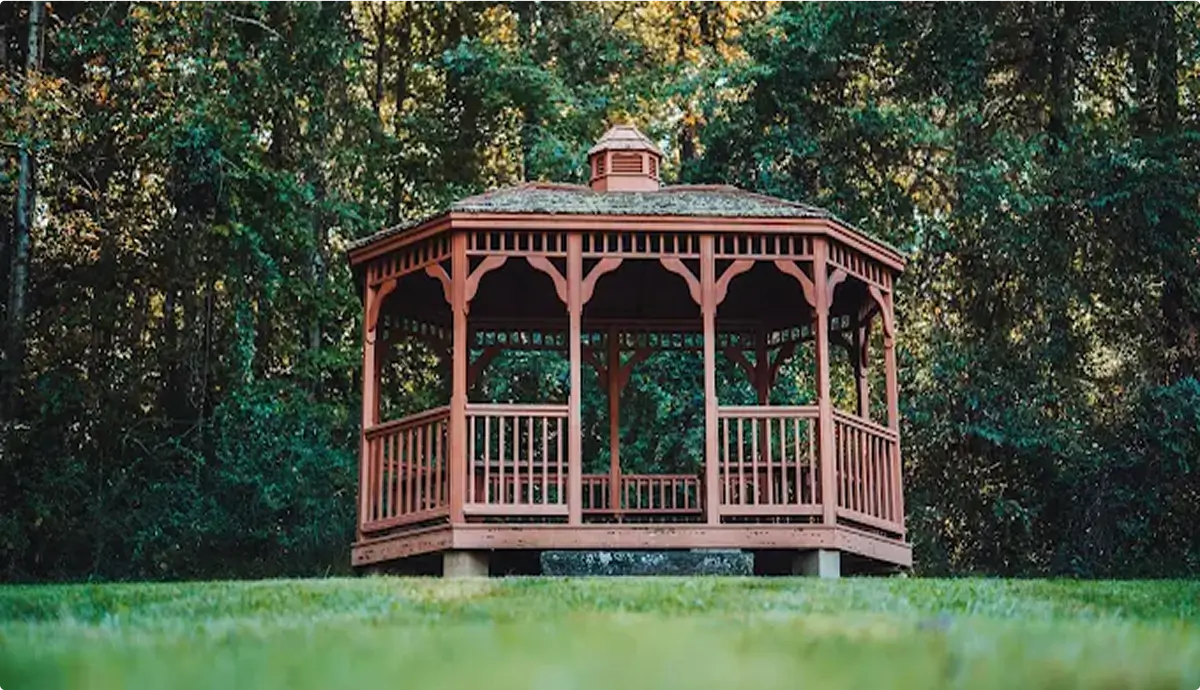
Seymour Is the Address; Knoxville Is the Metro
Seymour is an unincorporated community straddling the Sevier and Blount county line, part of the Knoxville metropolitan area but very much its own place. A school, a handful of shopping centers, a lot of ridge road, and a commute in one direction or the other. If you live here, none of that is news. If you are searching from farther out, it is the piece that usually gets lost: our brand carries the name of the city, and our doors open in the county next to it.
That distinction has practical weight. When a family in Sevier County reads that a residential program is “in Knoxville,” they picture crossing the river and fighting downtown traffic on visiting day. The real trip from most of Sevierville is roughly 15 to 20 minutes up the highway. From Maryville and Alcoa it is about the same distance in the opposite direction, through Blount County. From downtown Knoxville and Knox County it is a straight run south, around 20 minutes depending on the hour you pick.
Being precise about where we are is not a technicality. It decides who can realistically visit on a Thursday evening, who can attend a family session without burning a vacation day, and how far a person is from their own kitchen on the morning they finish treatment. For readers across the region, Seymour is far enough from the noise to feel like a genuine change of scenery. For the people who already live here, it is close enough that getting care does not require dismantling a life first.
Who the Program Is Built For
If you have been told more than once that a loved one’s condition is “too complicated” for a weekly appointment, nobody was handing you an excuse. Some illnesses outrun outpatient care, and naming that out loud is not giving up on a person. It is usually the first accurate thing anyone has said in months.
The Conditions Behind an Admission
Summit at Knoxville treats adults living with serious mental illness, and that is the center of the program rather than one line on a service list. Severe and treatment-resistant depression, where two or three medications have already been tried and the weight has not moved. Bipolar disorder, where mood swings between periods of racing, sleepless energy and stretches that flatten a person into their bed. Schizoaffective disorder, which layers those mood episodes on top of breaks from reality. Schizophrenia, where a person may hear or believe things others do not. Severe PTSD and complex trauma, where the body keeps sounding an alarm about danger that left the room years ago.
A substance use disorder frequently rides alongside all of that. Many people describe drinking or using not for pleasure but to turn down the volume on symptoms nobody had named yet. When both are present, national guidance is to treat them together rather than in sequence, which is how residential mental health treatment and residential care for substance use are organized here. Where the body has become physically dependent, treatment can begin with medically supervised detox, so that withdrawal is managed by clinicians instead of endured alone in a back bedroom.

What Being This Close to Home Actually Changes
There is a specific hesitation that comes with getting help in a small community. The truck is recognizable. The parking lot is visible from the road. Somebody’s cousin works the front desk at nearly every business in the county. If part of what has kept a call from happening is the thought of being seen making it, that is a real consideration, not vanity, and it deserves a straight answer rather than a pep talk.
Residential care changes the shape of that problem. Instead of a standing weekly appointment that sits on a calendar all year where anyone might notice it, there is one stretch away and then a person comes home steadier. Care here is confidential, the same as any other medical treatment, and that includes the first conversation with admissions before anyone has committed to anything.
What Proximity Gives a Family
The other half of proximity is the part families tend to underestimate. Serious mental illness does not happen only to the person carrying the diagnosis. It reorganizes a household, a work schedule, and a marriage. Being 20 minutes away instead of 200 means a spouse can come after second shift, a parent can sit in on the conversation about what happens next, and the aftercare plan gets built by people who actually share an address. That is not a small clinical advantage. Recovery holds better when the people who will live it are in the room while it is being designed.
Why the Schedule Is Part of the Treatment
The first few days of residential care can feel almost boring, and that is deliberate. When someone’s inner world has been loud for months, a day that is predictable from the outside gives the mind fewer things to brace against.
The working principle here is short: structure is medicine. Meals happen at set times. Groups happen at set times. Sleep is protected rather than negotiated. For a person living with bipolar disorder, steady sleep and wake times are part of standard guidance for holding mood steady, not a house rule invented to keep order. For someone stepping away from a substance, a filled schedule takes back the hours that had quietly been reorganized around getting and using.
Inside that frame, the clinical work is specific rather than general:
- Cognitive Behavioral Therapy (CBT): a practical, skills-based therapy for catching the thought that runs just ahead of a spiral and interrupting it before it takes the whole day.
- Dialectical Behavior Therapy (DBT): concrete skills for riding out an intense emotion without acting on it, developed for people whose feelings arrive at full volume with no warning.
- Psychiatric medication management: a prescriber adjusting medication while watching the effects day by day, instead of guessing at a follow-up appointment six weeks out.
- Group therapy and psychoeducation: plain-language teaching about what the illness is doing to the brain and body, in a room where nobody is confused about why you are there.
- Nutritional counseling: rebuilding the eating and sleeping that long stretches of untreated illness or heavy use reliably wreck.
Getting Here From Around Sevier and Blount County
For anyone reading this from Seymour itself, the drive is short enough to feel strange. The hard part is not the mileage. It is the ten seconds before the decision.
From Sevierville, the route is US-441 northwest, past the Boyds Creek turnoff, generally 15 to 20 minutes. From Pigeon Forge, add another 10 to 15 minutes on the same road as it climbs back out of the Smokies gateway. Maryville and Alcoa sit southwest through Blount County, roughly 20 minutes. Knoxville is straight north on Chapman Highway. For relatives flying in, McGhee Tyson Airport in Alcoa is about half an hour out, close enough that a sibling can land in the afternoon and make a family session that evening.
When the Drive Is Long Instead of Short
Plenty of the people we admit do drive several hours to reach us, from the Cumberland Plateau, the Tri-Cities, and across the state line. For them, the distance does a second job, because it is genuinely difficult to begin recovery inside the same rooms where the illness has been running things. Both versions work. A stay here does not require putting a mountain range between a person and their family, and it does not require staying within sight of everything that has been going wrong.

Insurance, Cost, and Time Away From Work
The question underneath most searches like this one is not clinical. It is whether a family can afford for the answer to be yes.
Federal law requires most health plans to cover mental health and substance use treatment on terms comparable to other medical care, which is why coverage tends to reach further than people assume before they ask. What your specific plan pays depends on that plan, not on a number a website can print honestly. Our admissions team can run your benefits and tell you plainly what you would owe before you decide anything. You can start with an insurance verification without committing to an admission.
The same honesty applies to how long a stay runs. No standard number of days gets fixed in advance. Care is matched to clinical need using the ASAM Criteria, a national standard that ties how long and how intensively someone is treated to how that person is actually doing rather than to a calendar. Time away from a job is the other cost people quietly count, and it is worth knowing that the Family and Medical Leave Act allows eligible employees to take job-protected leave for a serious health condition, their own or a close family member’s, with mental health conditions included. That does not make the conversation with a supervisor comfortable. It does mean that leaving for treatment and losing the job are not automatically the same decision.
Beginning Treatment a Few Miles From Home
Almost nobody lands on a page like this on a good day. You may be the person whose symptoms finally got loud enough that you typed the name of your own town into a search bar. You may be the parent, the partner, or the sibling who has been carrying this quietly for a long time and finally has an hour alone to look.
The next step is smaller than the decision feels. Check what your insurance covers, and let our admissions team walk you through what arriving looks like, what a day at the program involves, and whether this is the right level of care for the person you are calling about. If today is not the day, that is a fair answer, and the conversation keeps. When the time comes, we will take the call seriously and tell you plainly what we can and cannot do. If someone is in immediate danger right now, call or text 988 to reach the Suicide & Crisis Lifeline, or call 911.
Insurance VerificationFAQs About Residential Mental Health and Detox in Seymour, TN
The program is in Seymour, Tennessee, on the US-441 corridor where the Sevier and Blount county line runs through town. Knoxville is the metropolitan area Seymour belongs to and the city the brand is named for, about 20 minutes north up Chapman Highway. If you are mapping the drive for a family member, set your destination for Seymour rather than for downtown Knoxville. Sevierville is roughly 15 to 20 minutes southeast, and Maryville and Alcoa are about the same distance southwest through Blount County.
Adults living with serious mental illness, including severe and treatment-resistant depression, bipolar disorder, schizoaffective disorder, schizophrenia, and severe PTSD or complex trauma. Many of the people we admit also have a substance use disorder alongside the psychiatric condition, which is treated at the same time rather than afterward. Where someone arrives physically dependent on alcohol or another substance, care can begin with medically supervised detox before residential treatment continues. The program is a poor fit for someone whose needs can be met by weekly outpatient sessions close to home.
Proximity is one of the practical reasons local families choose a residential program in Seymour rather than one several hours away. Family involvement is coordinated through the clinical team as part of the treatment plan, and living 15 or 20 minutes down the road makes it realistic to attend after a shift instead of taking a day off. Ask about the current visitation and family session schedule when you speak with admissions, since the specifics are set clinically and can vary with where someone is in their stay.
Sources
- Tennessee Department of Mental Health and Substance Abuse Services. (n.d.). Treatment & recovery. Retrieved from: https://www.tn.gov/behavioral-health/substance-abuse-services. Accessed on August 18, 2026.
- National Institute of Mental Health. (n.d.). Bipolar disorder. Retrieved from: https://www.nimh.nih.gov/health/publications/bipolar-disorder. Accessed on August 18, 2026.
- National Institute of Mental Health. (n.d.). Schizophrenia. Retrieved from: https://www.nimh.nih.gov/health/topics/schizophrenia. Accessed on August 18, 2026.
- Substance Abuse and Mental Health Services Administration. (n.d.). Co-occurring disorders. Retrieved from: https://www.samhsa.gov/substance-use/treatment/co-occurring-disorders. Accessed on August 18, 2026.
- American Society of Addiction Medicine. (n.d.). The ASAM criteria. Retrieved from: https://www.asam.org/asam-criteria. Accessed on August 18, 2026.
- HealthCare.gov. (n.d.). Mental health & substance abuse coverage. Retrieved from: https://www.healthcare.gov/coverage/mental-health-substance-abuse-coverage/. Accessed on August 18, 2026.
- U.S. Department of Labor, Wage and Hour Division. (n.d.). Family and Medical Leave Act. Retrieved from: https://www.dol.gov/agencies/whd/fmla. Accessed on August 18, 2026.
Overview
- Where the program is: In Seymour, Tennessee, on the US-441 corridor, with the Sevier and Blount county line running straight through town.
- Why the name says Knoxville: Knoxville is the metro area Seymour belongs to and the city most people search. It sits about 20 minutes north up Chapman Highway.
- Who we treat: Adults living with serious mental illness, including severe depression, bipolar disorder, schizoaffective conditions, schizophrenia, and complex trauma, very often alongside a substance use disorder.
- The level of care: Residential. People live at the program while they stabilize instead of driving in for an hour and going back to whatever they left.
- What proximity buys a local family: A spouse can make a family session after a shift. A parent can be in the room for the discharge conversation.