
In Knoxville, autumn arrives with a distinct energy. The air turns crisp, the Smoky Mountains blush with color, and a sea of orange and white floods the city every Saturday. For a University of Tennessee Vols fan, football season is more than just a series of games; it’s a cultural ritual, a time of community, and a source of immense pride. But for someone in recovery from a substance use disorder, it can also be a season of intense anxiety and overwhelming triggers.
At Summit at Knoxville, we are rooted in this community, and we understand the unique challenges that come with navigating sobriety in a culture where game day celebrations are so deeply intertwined with alcohol.
You don’t have to choose between your love for the Vols and your commitment to your recovery. With a proactive plan, a strong support system, and a new set of skills, you can not only survive the season but thrive within it. This is about learning to navigate the tailgate, manage the triggers, and find a new way to celebrate that honors your health and well-being.
Why Football Season is a High-Risk Environment for Relapse
Acknowledging the specific nature of the challenges is the first step toward overcoming them. Football season in a city like Knoxville creates a perfect storm of social, emotional, and environmental pressures that can test even the most solid foundation in recovery.
The Culture of Tailgating and Binge Drinking
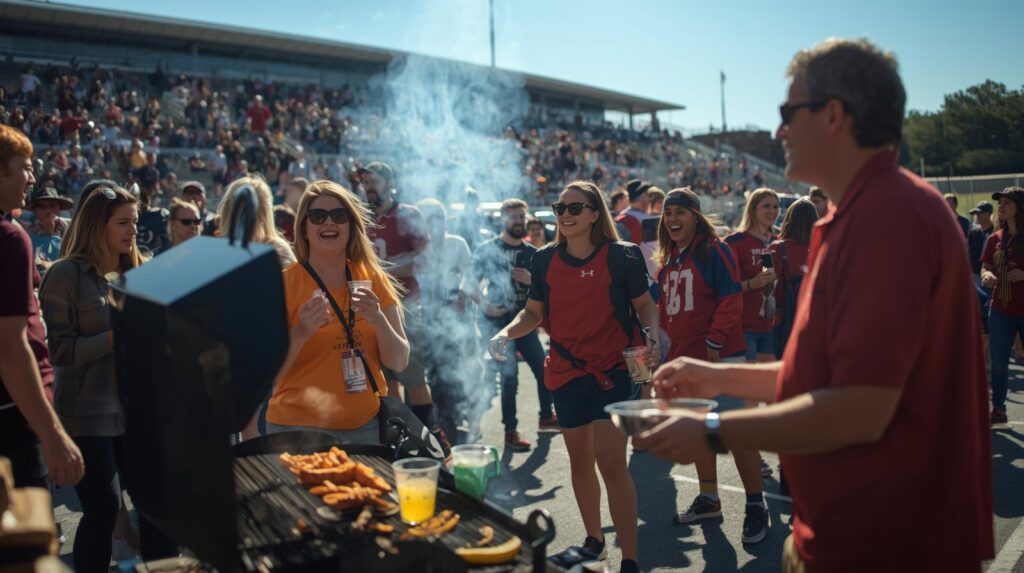
Let’s be honest: for many, tailgating is synonymous with heavy drinking. It starts early in the morning and can continue long after the game ends. For someone in recovery, being immersed in an environment where alcohol is not just present but is the central focus of the activity can be incredibly difficult.
The social pressure to “just have one beer” can feel relentless, and the sight and smell of it can trigger powerful cravings.
The Emotional Rollercoaster of Fandom
Being a passionate fan means being on an emotional rollercoaster. The euphoria of a last-second touchdown or the crushing disappointment of a tough loss can create intense emotional states. In the past, you might have used alcohol to amplify the celebration or numb the pain of defeat.
In recovery, these emotional highs and lows are significant internal triggers that can create a powerful urge to revert to old coping mechanisms.
The Fear of Missing Out (FOMO) and Isolation
When your entire social circle revolves around game day drinking, choosing not to participate can lead to a profound sense of isolation. The fear of losing friendships or being excluded from the community you love is a genuine concern. This can create a dangerous internal conflict, pitting your desire for connection against your need for sobriety.
Finding Your Sober Squad: Recovery Resources in Knoxville’s Sports Scene
The great news is that you are not alone in this. A growing movement within Knoxville’s sports culture is dedicated to creating supportive, sober-friendly spaces. Tapping into these resources can be a game-changer.
The University of Tennessee’s Rocky Top Recovery Program
Right here on campus, the University of Tennessee has a fantastic Collegiate Recovery Program called Rocky Top Recovery. This program is a vital resource, offering a range of peer support meetings and services designed to help students navigate campus life in recovery.
They host “All Recovery” meetings that are inclusive and student-centered, offering a safe space for individuals to connect with others who share similar goals. They are a powerful ally for any student or community member looking for a supportive network right in the heart of the action.
Community-Led Sober Tailgates
Inspired by programs like Rocky Top Recovery, students and community members have successfully organized their own sober tailgates. These events prove that the fun of game day—the food, the music, the camaraderie—doesn’t have to revolve around alcohol.
These grassroots efforts are a powerful reminder that there is a strong and growing sober community in Knoxville. Seeking out or even starting your own sober tailgate can be an incredible way to build new, healthy friendships.
Beyond the Vols: Supporting the Titans and Preds

Knoxville’s passion for sports extends beyond college football. Many residents are dedicated fans of the Tennessee Titans and the Nashville Predators. While these professional teams may not have Knoxville-based sober fan groups, it represents an opportunity.
Use the same principles: find other sober fans, plan to watch the game at a coffee shop or a friend’s house instead of a bar, and focus on the shared love for the team. You can be the one to create that supportive community within your own circle of friends.
Building Your Sober Game Day Playbook: A Strategy for Success
Navigating the season successfully requires a proactive game plan. You wouldn’t want the Vols to take the field without a strategy, and you shouldn’t enter a game day without one either. Your playbook should include both offensive (proactive) and defensive (reactive) strategies.
Your Offensive Strategy: Setting Yourself Up to Win
- Host or Find a Sober Tailgate: Be the Change You Want to See. Host your own tailgate and make it the best one on the block—with amazing food, creative non-alcoholic drinks (think craft mocktails or a hot apple cider bar), and great music. Or, connect with local recovery communities to find a sober tailgate to join.
- Plan Your Day with Intention: Don’t just “show up.” Decide in advance which events you’ll attend, who you’ll go with, and—most importantly—what time you will leave. Having a defined plan gives you a sense of control.
- Bring Your Own Support (B.Y.O.S.): Your support system is your MVP. Attend games with another sober friend or a trusted ally who knows your situation and is committed to supporting you. Having just one other person on your team can make all the difference.
- Have Your Go-To Beverage: Always have a non-alcoholic drink in your hand. This simple act prevents people from constantly offering you a drink and eliminates awkward moments.
Your Defensive Strategy: Protecting Your Sobriety in the Moment
- Master the Polite “No”: You don’t owe anyone a long explanation. A simple, confident, “No, thanks, I’m good,” is enough. Have a few of these phrases ready so you don’t feel caught off guard.
- Utilize the HALT Check-In: If you feel a craving or a wave of anxiety, pause and ask yourself: Am I Hungry, Angry, Lonely, or Tired? Addressing these basic needs can often diffuse a trigger.
- Have an Exit Strategy: This is your most important defensive play. If you start to feel overwhelmed or unsafe, leave. No game, party, or social event is more important than your health. Your true friends will understand.
The Knoxville Context: High Stakes in East Tennessee
It’s essential to acknowledge the significant context against which we celebrate. East Tennessee continues to battle a severe substance use crisis. While opioids and methamphetamine are substantial concerns, alcohol remains the most widely misused substance. High-risk binge drinking culture, like that seen during tailgating, contributes to a host of community problems and normalizes the very behavior that many are fighting to overcome.
For someone in recovery, navigating this culture isn’t just a social challenge; it’s a public health challenge.
When the Season Feels Too Overwhelming: The Sanctuary of Residential Treatment
For some, especially those in early recovery or those grappling with a co-occurring mental health condition like severe anxiety or depression, the high-trigger environment of football season may simply be too much to handle. In these cases, choosing to enter a residential treatment program is not a sign of weakness; it is a profound act of self-preservation and a testament to one’s strength.
The highly structured environment at Summit at Knoxville provides a vital sanctuary. Our model, which includes an initial phone blackout period, is specifically designed to create a buffer from these exact kinds of intense external pressures and social expectations.
It provides you with the space to build a solid foundation in recovery, guided by expert therapies such as CBT and DBT, without the constant distractions of the outside world. It’s a way to ensure your long-term victory, regardless of the score on Saturday.
A New Way to Win
You can be a die-hard Vols fan and be firmly rooted in your sobriety. Recovery doesn’t mean giving up the things you love; it means learning to engage with them in a healthier, more balanced way. It’s about shifting the focus from the substance to the substance of the experience: the community, the excitement, and the shared love for our city and our team.If you or a loved one is struggling to navigate sobriety in Knoxville, please know that you are not alone. The team at Summit at Knoxville is here to help you develop the skills and strategies you need to thrive. Contact us today for a confidential conversation.